Essays & Papers
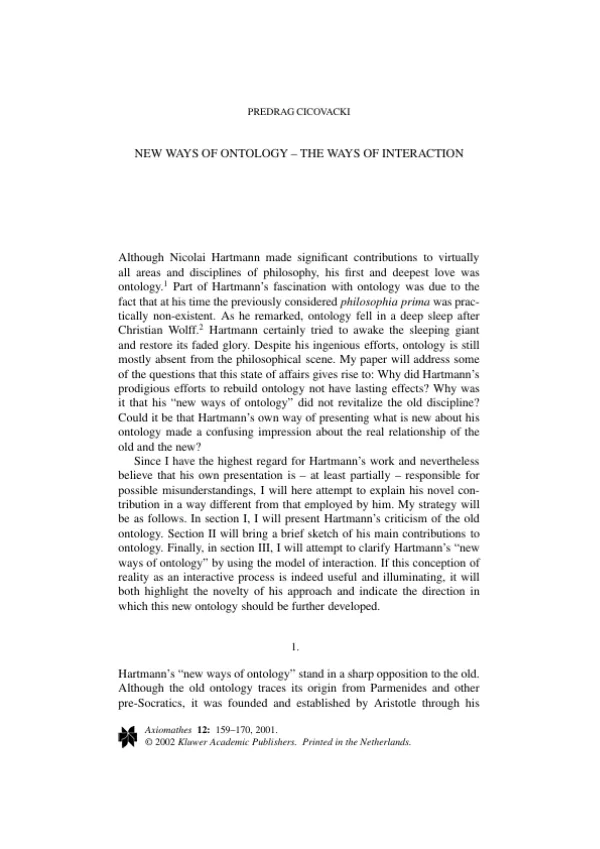
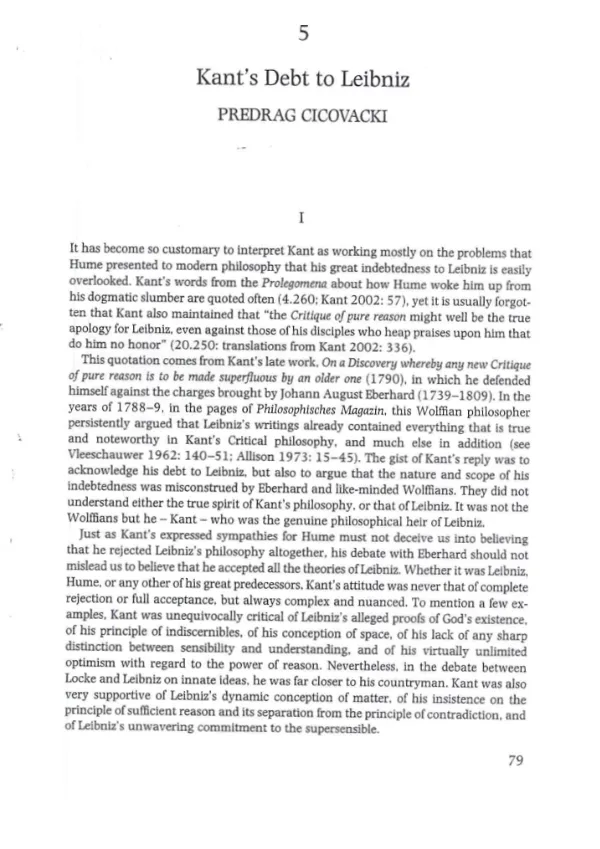
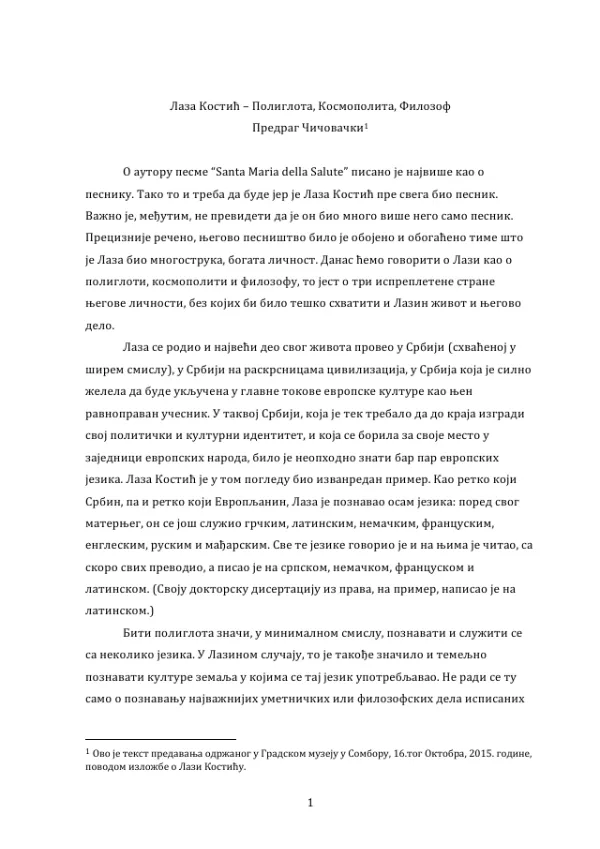
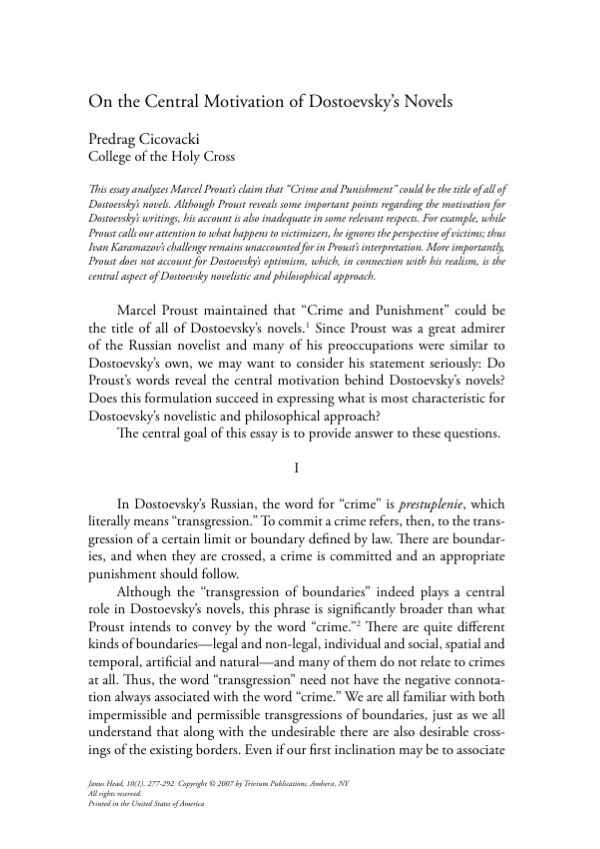
I have written so many essays and papers, and they cover such a variety of topics, that it is difficult to identify or point to their common features. I will, nevertheless, make a few remarks about them.
variety of topics
Many of the papers were written in response to my reading or to discussions I had with my students in class. Some were written on specific topics assigned by conference organizers. In virtually all cases, the preparation was a long process, while the writing itself took much less time. As I became more experienced, the process of preparation remained more or less the same—thorough, systematic, and organized—while the writing became faster and faster. I almost developed an instinct for knowing when my preparation was complete and felt “called” to begin the writing process. Then I would simply let go, as if the paper could write itself.
Most of my papers are written in English, while a few are written in Serbian. I am happy that I can switch between the two languages effortlessly, sometimes even subconsciously. Yet I have always been aware that I do not have a fully nuanced command of any language— including my native one. I take this opportunity to thank the many colleagues and friends,
and occasionally even my daughters, who have proofread these papers for me. My sincere thanks for their kindness, patience, and help!
The most recently published essay (2026)
‘Torn Between Paradigms? A Reflection on Schweitzer’s Failure to Complete His Philosophy of Civilization’ by Predrag Cicovacki, 2026
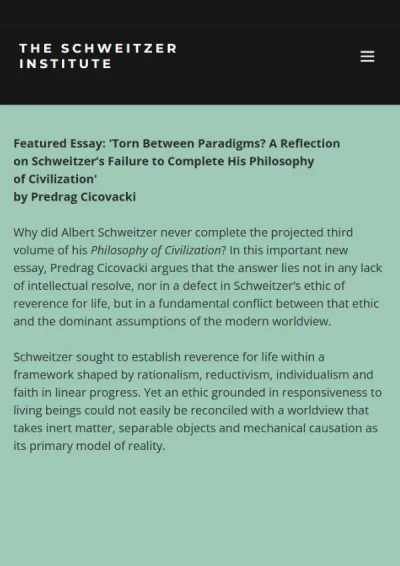
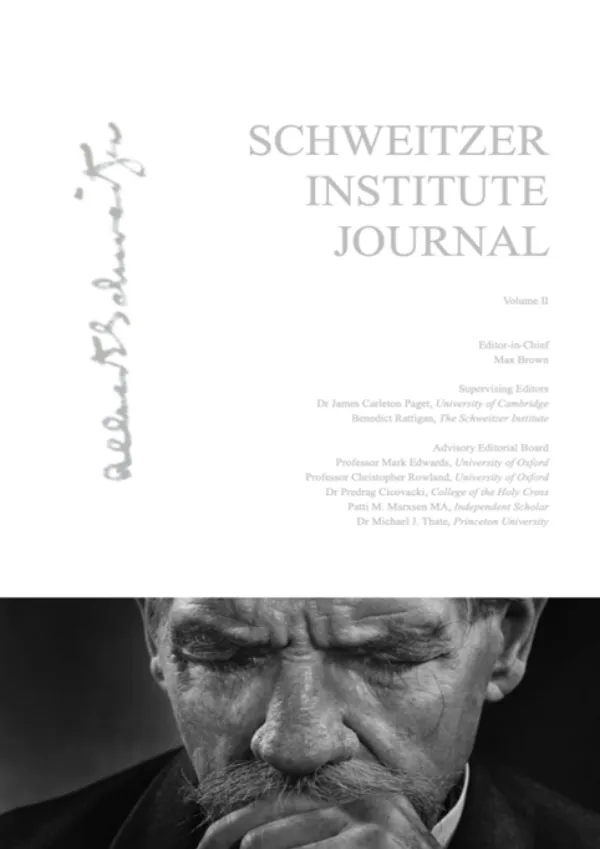
This article was published in 2026 as a Featured Essay on the Schweitzer Institute Website and on the Institute’s Journal page, where it is available for download in PDF format
The Schweitzer Institute
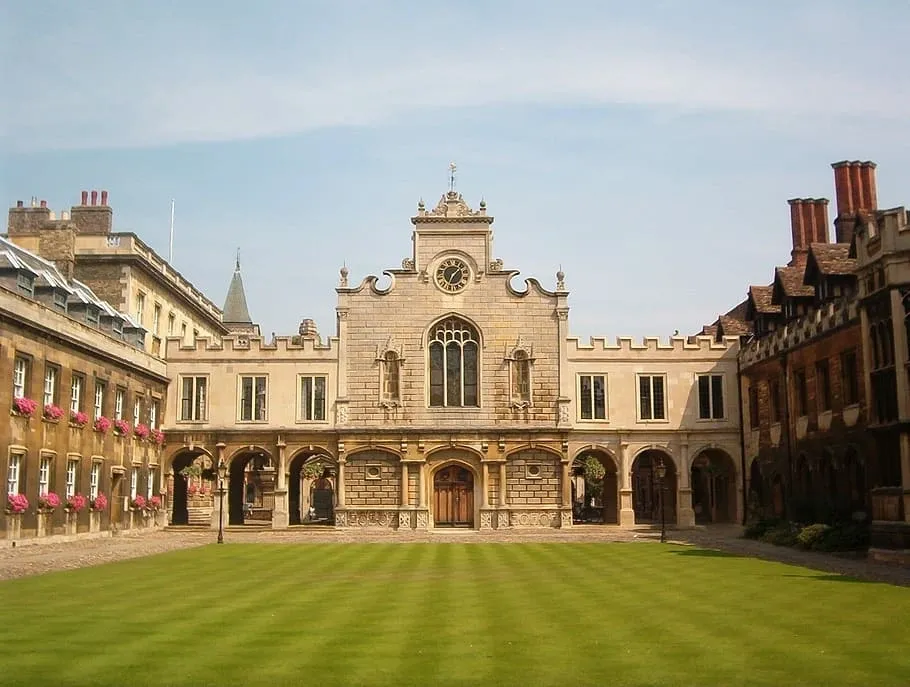
The Schweitzer Institute is an academic think tank based in Cambridge and affiliated with Peterhouse, the University’s oldest college. It advances environmental ethics by integrating philosophy with scientific research, policy development and cross-disciplinary collaboration, and by drawing on the latest scientific understanding of how living systems endure, adapt and flourish to promote ethical, adaptive and practical responses to contemporary challenges in humanity’s relationship with the wider circle of life.
FREE PDF - ESSAYS & PAPERS