


My Intellectual Journey
A Life in Search of the Meaning of Being Human
*Download the essay in multiple languages:
How it all began
-
1969
The defining event of my childhood was the Apollo 11 landing on the moon
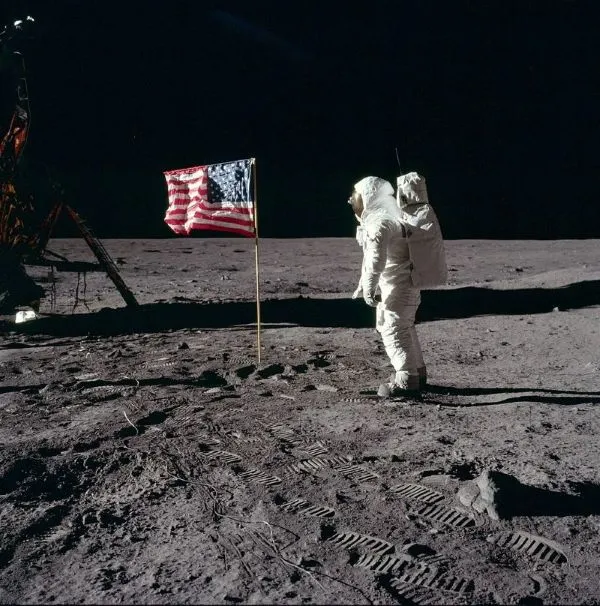
That event, more subconsciously than consciously, ignited in me a profound interest in humanity’s greatest achievements.
The defining event of my childhood was the Apollo 11 landing on the moon. Let’s set aside the fact that, using binoculars borrowed from a neighbor, I unsuccessfully tried to see Neil Armstrong and Edwin Aldrin scratching the dusty surface of the Earth’s satellite from the top of our cherry tree. More importantly, that event, more subconsciously than consciously, ignited in me a profound interest in humanity’s greatest achievements. I became fascinated with the Egyptian pyramids and the Great Wall of China, as well as hypnosis and religion. My curiosity knew no bounds, as did my desire to understand as deeply as possible, even when I recognized early on that complete understanding was ultimately unfathomable.
-
1975–1979
High school period - two other "significant" topics
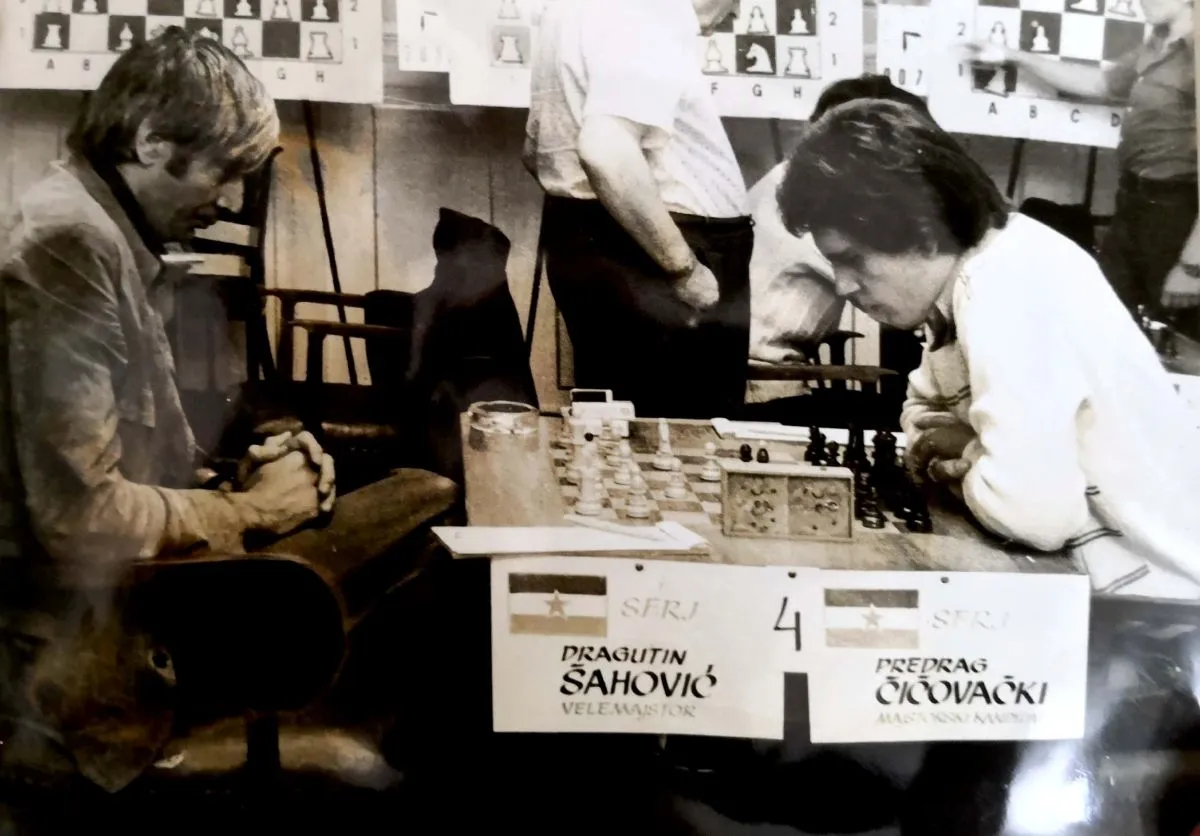
Girls and chess
This element of curiosity subsided a bit in high school when two other significant „topics“ my life: girls and chess. Although they were quite influential and often dominated my young life, on some internal scale of values—of which I was almost always aware—girls and chess remained secondary.
-
1979-1984
Choosing studies

I faced two paths
When it came time to choose my studies, I faced two paths: one leading toward the natural sciences, particularly physics and mathematics, and the other toward the humanities. My inclination toward the humanities was much stronger, and I had to consider whether to study literature, psychology, or philosophy.
Though I have always loved and deeply engaged with literature, pursuing it was a less secure
choice. I did not want to merely study it; I wanted to create and write, and there were no strong indications that I possessed the talent for that. I also dropped out of psychology, as I was primarily interested in psychoanalysis, especially Jungian theory, which was not emphasized in the regular program in Belgrade. What remained was philosophy, which aligned well with my interests in the greatest achievements of humanity.
Read the full article below. -
1986-1991
Graduate studies in Rochester

University of Rochester, New York, United States
-
1990
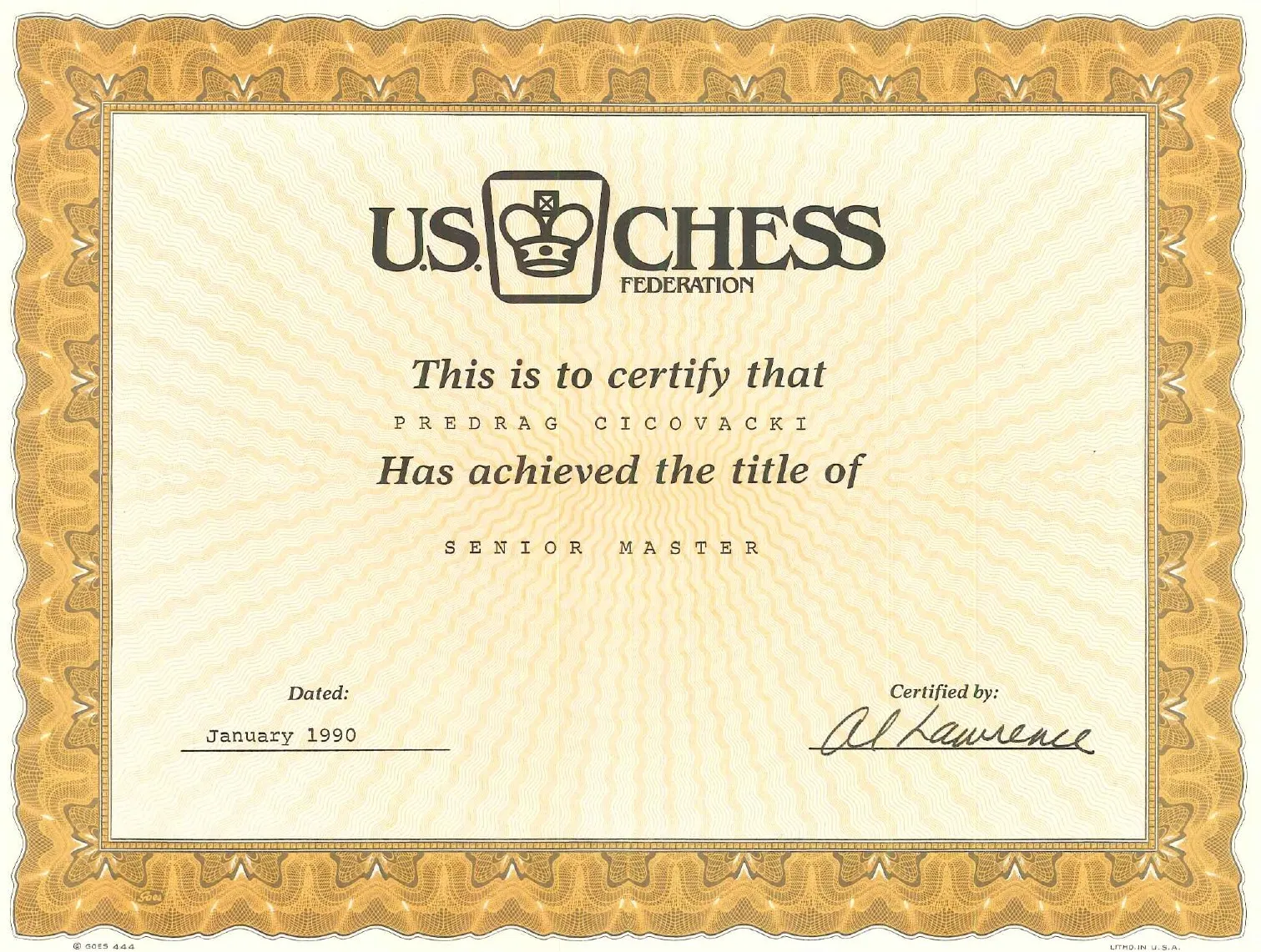
Became a U.S. Chess Master
-
1991-2023
Professor at the College of the Holy Cross


The College of the Holy Cross (Worcester, Massachusetts, USA)
-
2012-2013
Fulbright Scholarship in India

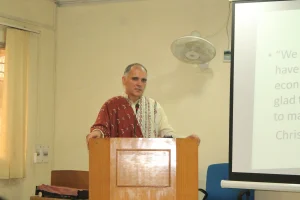
My host institution was The University of Banares, India
-
2023-PRESENT
Professor Emeritus

Professor Emeritus at the college of the holy cross, USA
-
2024
I return to Sombor

Sombor (Serbia) is the city where I grew up and finished my secondary education.
philosophy
I viewed philosophy as a synthesis of spiritual and intellectual accomplishments
I viewed philosophy more as a synthesis of spiritual and intellectual accomplishments rather than a separate theoretical discipline defined solely by its methodology and terminology. However, the reality at the faculty did not entirely meet my expectations. I first had to acquire and demonstrate knowledge of the history of philosophy for examinations. Despite
my initial displeasure, this approach proved to be correct because, unlike the natural sciences, philosophy cannot be understood without its historical context. The greater challenge for me was that within the philosophy department, two competing schools of thought—Marxist-humanist philosophy and analytical philosophy—collided, neither truly resonating with my inclinations and aspirations. Nevertheless, the atmosphere in the department was very positive. There were several extremely talented students, and many professors were dedicated and committed to their work. Many seminars continued after
official hours in nearby cafés, especially if led by younger professors without family obligations. These professors encouraged us to learn classical and modern foreign languages and to regularly attend public forums and book presentations, which were common in Belgrade in the early 1980s. With trips to the theater, concerts, and exhibitions added to the mix, those five years of study (1979-1984) were the most intensive and enriching in my education.
Three key insights became deeply embedded in my mind during those years. First, mastery of the craft is essential before one can create and expect excellence in any endeavor. Philosophy, at least as an academic discipline, is a „craft“ that requires thorough study, leading me to decide to pursue further education to obtain a doctorate degree. Second, Kant’s
philosophy—especially his Critique of Pure Reason—emerged as a central philosophical text during my studies, compelling me to devote years to its further and systematic exploration. Third, philosophical questions regarding humanity have always struck a deep chord within me. From the first year of my studies, during the Introduction to Philosophy course, I chose „Being a Man“ as the topic for my seminar paper, referring to the meaningful existence and dignity of being human. I hoped that further studies in philosophy and new life experiences
would deepen my understanding of this topic, which increasingly felt like the final and most important aspect of all philosophical thought and experience.
I continued my postgraduate studies in the United States at the University of Rochester in New York. There, I had the privilege of learning from one of the world’s foremost experts on Kant, Lewis White Beck. The five years spent in Rochester again represented a period of significant learning. This time, however, my studies were much deeper in focus, rather than
broader in scope. One of the most difficult philosophical readings, Critique of Pure Reason, became my daily companion and my preoccupation. In addition to constant dedication to this work, my postgraduate studies also required a detailed study of the philosophers who influenced Kant, the study of his entire oeuvre, as well as the influence that Kant’s work had on future generations of philosophers. In addition to growing deeply interested in Kant’s
philosophy, those five years were also a time of adaptation to a completely different culture than the one I came from. Since the university I studied at was truly international—with students from eighty-two countries—these were also years of learning not only about America but also about world cultures and traditions.
I defended my doctoral dissertation on Kant’s Critique in 1991, on Kant’s birthday (April 22). As an expert in Kant and modern philosophy, I got a teaching job at a small private Catholic and Jesuit college called Holy Cross, near Boston. I worked there until 2023, when I retired and soon after acquired the status of professor emeritus.
But let’s go back to the beginning of my teaching career. Instead of the intended ambition to become one of the world’s experts on Kant, the course of life and the dynamics of the college where I taught took me in a completely different direction. When I started my teaching career in the fall of 1991, the homeland I came from, Yugoslavia, found itself in a phase of sudden
disintegration. And, unlike, say, Czechoslovakia, it disintegrated in a way that included a lot of evil and violence, pain and disappointment. The significance of Kant’s “autonomies of the pure mind” paled in those years in comparison to the “antinomies of soul and heart” caused by the destruction of the fatherland.
It was necessary to grapple not only with the highest that the human race is capable of, but also with the lowest. I had to face the nature of evil and the seemingly ever-present drive for destruction and violence within us.
As America faced similar dilemmas after the terrorist attack in 2001, the topics of my research, as well as the subjects I began to teach at the university, completely changed. By the way, I should mention that in American colleges, unlike their universities, there is much more flexibility and variety in what the professors teach. I took advantage of that, so I turned
to three big topics: 1. the nature of evil; 2. studying nonviolence as an alternative to violence and war; and 3. the study of alternatives to the mainstream of Western civilization. Numerous new opportunities suddenly opened before me, so that, in addition to my regular teaching duties, I also became the director of the Center for War and Peace Studies. Furthermore, I became interested in Russian literature as a source of an alternative vision of culture and humanity, and I started going to Russia. I also began to turn to Eastern civilizations, and I travelled to India and China more often. Those newly oriented and extremely intensive activities began at the end of the twentieth century and lasted for more
than two decades, until the full development of the global COVID-19 pandemic. It found me in the first half of my sixties.
Since the pandemic significantly slowed down my travel and thinned out my social contacts, it allowed me to start summarizing the experiences and insights I have gained throughout my life, and especially during my three decades as a “professor.” I never doubted that Kant
was a philosopher of extraordinary importance, but I came to believe that he—along with most European and (later) American philosophers and intellectuals—approached the problems essential to human life from a perspective that was too narrow, just as in part he missed those problems entirely. In the process of summarizing the results of my many decades of intellectual and spiritual pursuits, I have come to the conclusion that the entire perspective with which we approached essential problems in the last few centuries requires a significant reorientation.
It is a project that I set myself as a task for the next fifteen years of my intellectual work, as my main occupation in retirement. The tentative name I have given to this redirection is “metaphysical anthropology.” It is “anthropology” because questions about the meaning and significance of human life must be central to our scientific, philosophical, and other inquiries.
It is “metaphysical” because those anthropological questions cannot be satisfactorily answered with completely factual, empirical, and scientifically provable material. Such material is necessary, but it also needs a foundation that is deeper than anything empirical, just like a superstructure that deals with that ideal—even the unattainable ideal—that always motivates and inspires us to strive for better.
I divide this project, my current preoccupation, into four parts. The first deals with “personality” and starts from the fact that not every human being is a personality, but that personality is something that can be achieved through patient and long-term work on oneself and aspirations towards the best. The second part of the project deals with “interactions”— the relationship, especially with other people, which can be based on affinity and care, but also on the effort to take advantage of others, often even hurting them. The third part examines “values” understood as ideal essences to which we should strive with ever-new energy and strength. The last part is both the most difficult and the most profound, because it deals with “transcendence”—understood as what makes the ground under our feet, and based on what is sacred to us and which must never be compromised.
The goal of practicing philosophy is not to consider abstract problems and intellectual puzzles. Such problems and puzzles are only means, only obstacles in the way. And that path should lead to building our own personality and striving to become good human beings, as much as possible. Such an effort must be both individual and collective. It should shed light not only on whether, apart from the Moon, we can reach any other astral body, but also on what the actual ranges and the truly supreme achievements of humanity are.
The essay „My Intellectual Journey – A Life in Search of the Meaning of Being Human“
has been translated into several different languages:
My Intellectual Journey Essay – English
Мой интеллектуальный путь – Russian
Mi viaje intelectual – Spanish
Călătoria mea intelectuală – Romanian
Autobiografischer – German
Má intelektuální cesta – Czech
Mon parcours intellectuel – French
Moja intelektualna pot – Slovenian
मेरी बौद्धिक यात्रा – Hindi
Моето интелектуално патување – Macedonian
Metaphysical Anthropology
Toward a New Philosophical Paradigm
Summoned into life without sufficient guidance, human beings are destined to seek and struggle. In doing so, we can turn toward things that are high or those that are low. More often than not, we embrace both. Our natural impulses and instincts guide us, but only up to a point. At that
threshold, we must decide whether to ennoble those impulses—or overcome them. Since our civilizational drive has been pushing us toward the latter option for centuries, it is hard not to notice that our lives have become alienated from the natural world and increasingly accelerated. A closely related, but even more pressing, issue is that deepening contradictions lie at the very heart of our lives: we seem to know neither what we want, nor where we are going, nor who we are. In our restlessness and disorientation, combined with our advanced ability to manufacture and mutilate, we have become a problem—a danger not only to ourselves but also to other forms of life on this planet. Is human life, then, worth preserving as it stands? What can validate it in light of such inner contradictions and outward destructive tendencies?
I am not primarily concerned with preserving our existence but with preserving our humaneness: not how to survive, but how to flourish. These reflections on what makes us different and what makes our existence worth preserving are the central concerns of this inquiry, which I call „metaphysical anthropology.“ It is a normative project that examines when we are at our best and at our worst. It explores the meaning of the entire human enterprise: What animates us most, and what deadens us? What is our greatest fear, and can it be overcome without comforting illusions and „noble lies“? What is our most cherished dream and ambition? What is our highest accomplishment? What is the hardest task we face as human beings?
Read the whole article here.